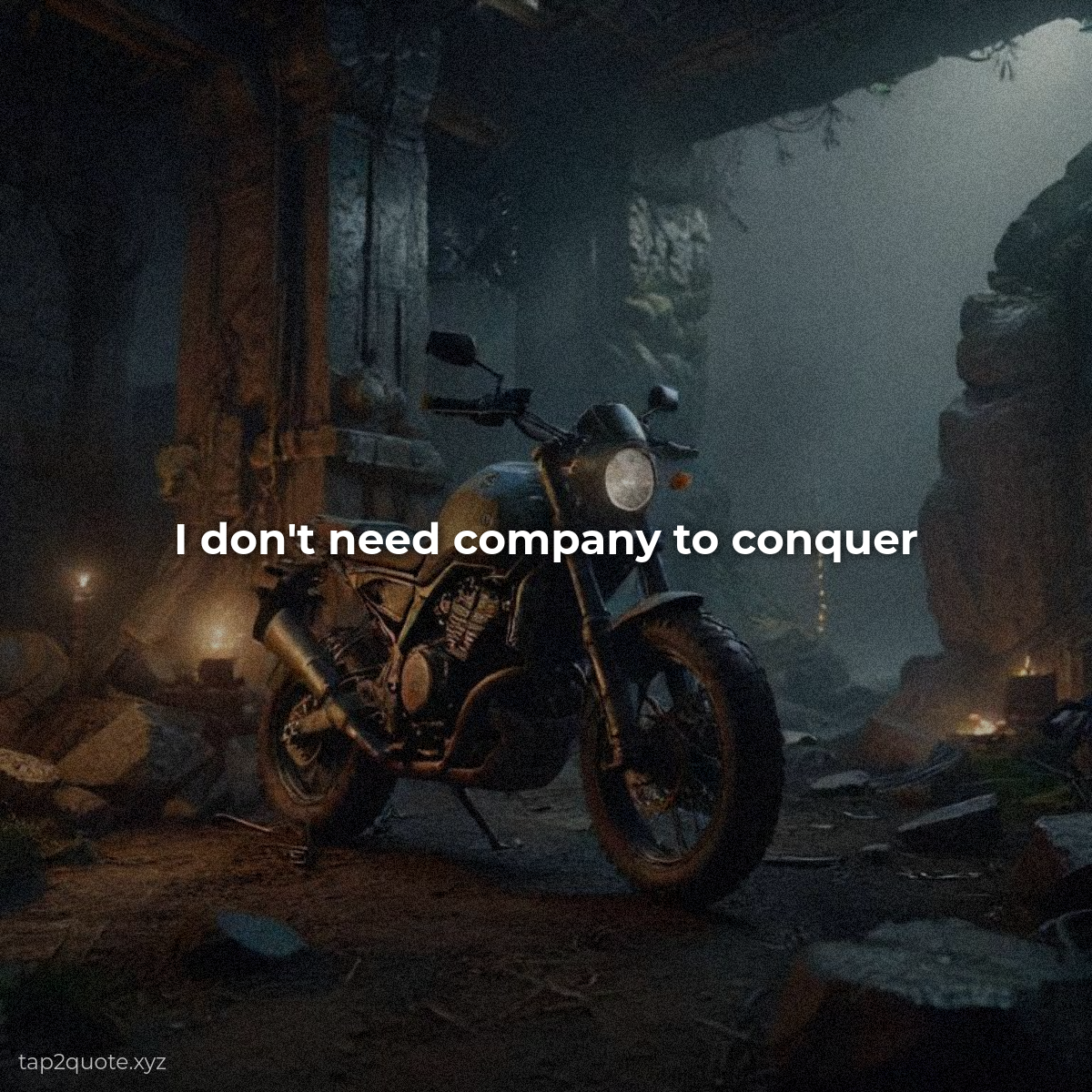
You either love it or you're tired of it, but you can't deny it: sigma content took over quote posting. That lone-wolf aesthetic — the silhouette walking against a neon city, the line about going your own way — is everywhere. So how did that happen, exactly?
What “sigma” means
In the meme's original logic, “alpha” and “beta” describe where someone sits in a social hierarchy. A sigma skips the hierarchy entirely. Not dominant, not submissive — outside the game, doing his own thing. That idea — you don't need anyone's approval, you build your own path — is genuinely powerful.
It took off because it named a feeling a lot of people have: the exhaustion of performing for others. The sigma quote says, out loud, what a lot of us quietly want — to be free of the crowd's opinion.
Why it works as content
Sigma quotes are perfect image material. They're short. They're bold. They appeal to a huge demographic — young men especially, but honestly anyone who's ever felt like an outsider. And they have a built-in aesthetic: dark, cinematic, high-contrast. That look photographs beautifully.
How to use it without being cringe
The line between “sigma post” and “soy post” is thinner than people admit. Here's how to do it right:
- Be genuine, not ironic. Post it because you mean it, not to farm likes.
- Keep it respectful. The best sigma content empowers. The worst puts others down. Do the first.
- Balance your feed. A feed of nothing but lone-wolf content gets old fast. Mix it with softer, human posts.
The bigger lesson
Trends come and go, but the pattern behind this one is permanent: people want content that makes them feel self-reliant. Whether it's called sigma today or something else tomorrow, that emotional core will keep working.
So yes, make the sigma quotes. But make them mean something. I've made plenty of these posts myself, and the ones I still like are the ones I'd stand behind a year later. That's the difference between a trend you ride and a trend you're defined by.